
0.0
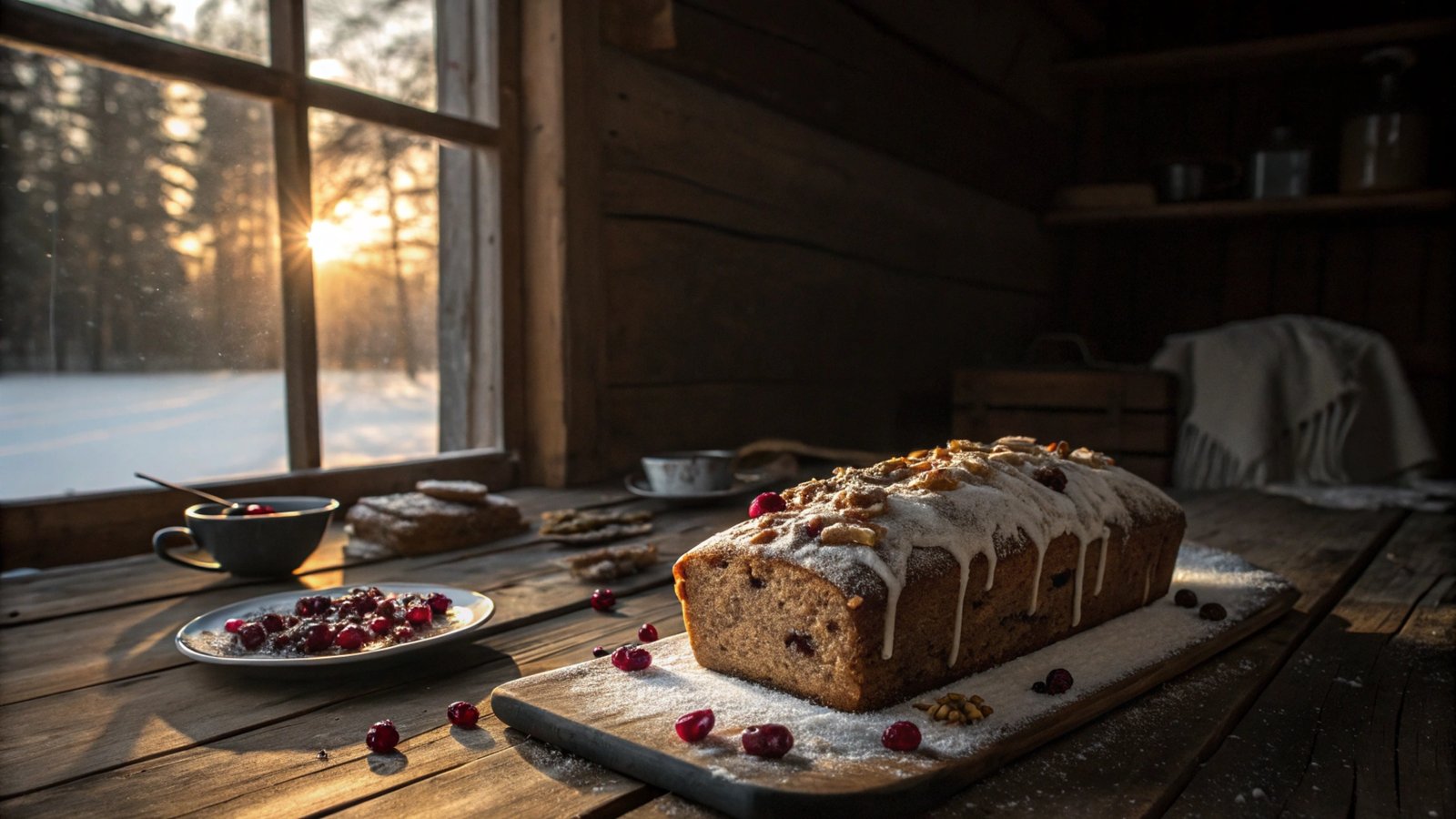
Winter Solstice Spice Loaf

Winter Solstice Spice Loaf

This guide details the recipe for a Winter Solstice Spice Loaf, a traditional baked good containing cinnamon, nutmeg, cloves, dried fruits, molasses, and honey. It explains its cultural significance tied to ancient winter festivals and provides serving suggestions, such as with spiced tea or as a gift. The result is a tender, fragrant loaf.
0.0
Regional Recipe Heritage

Regional Recipe Heritage

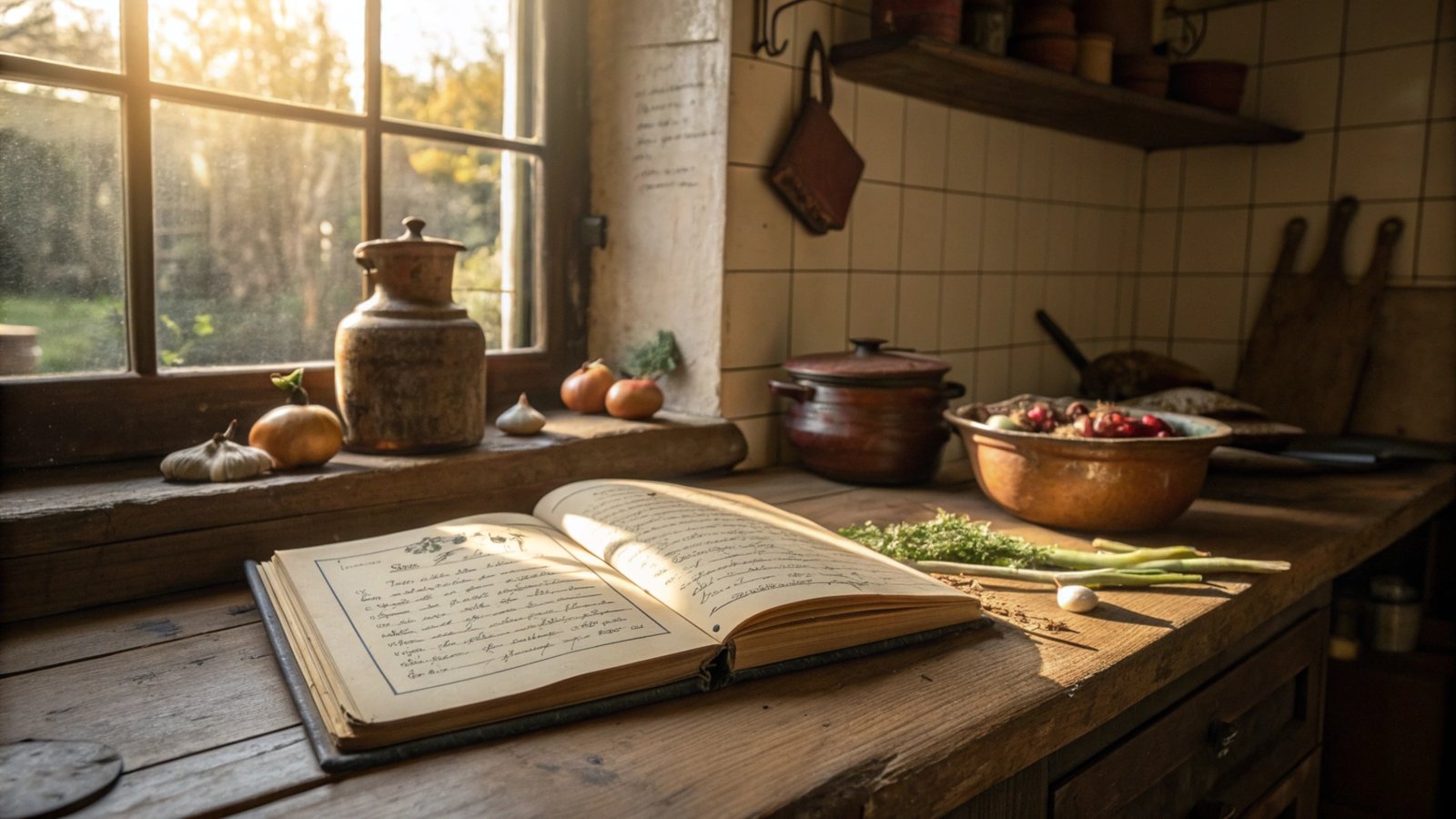
Cradled within the heart of Japan, the art of washoku transcends mere sustenance—it’s a dance of seasons, a whisper of ancestors. Delicate as cherry blossoms, dishes like ozoni (New Year’s mochi soup) carry prayers for prosperity, while kaiseki feasts paint edible poetry. Each bite is a bridge to Edo-era tea houses or Kyoto’s moss-covered temples, where precision meets reverence. Here, dashi broth hums with umami secrets, and pickled plums blush with centuries of patience. This isn’t just food; it’s a cultural heirloom, steeped in shun (seasonality) and wa (harmony).

0.0
Natural Element Plate Styling

Natural Element Plate Styling

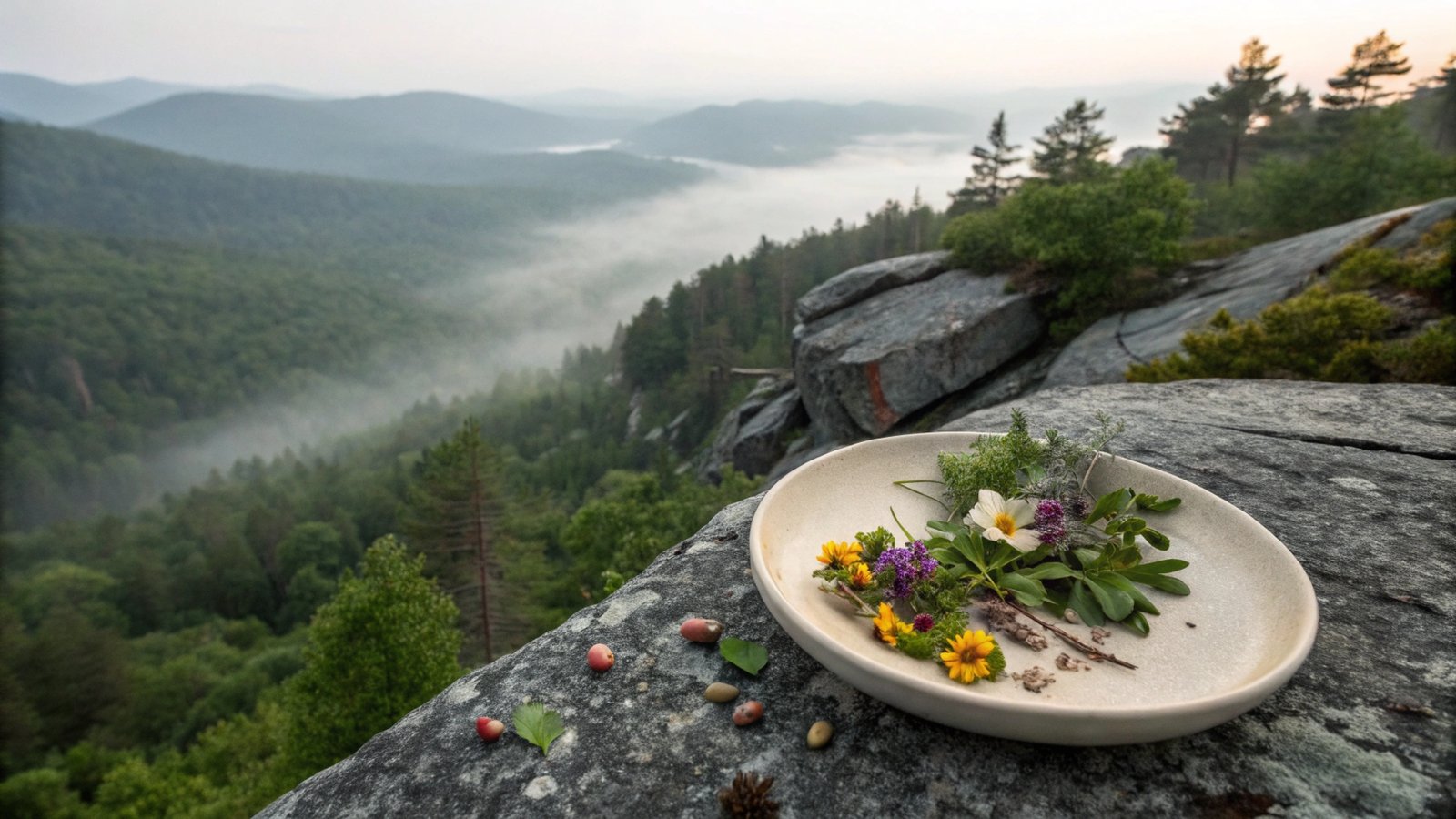
This guide details the Natural Element Plate Styling method, which uses raw textures and organic forms like edible petals and river stones. It combines Japanese wabi-sabi and Peruvian earth-to-table principles, employing rough-hewn wood platters, smooth ceramic bowls, and hand-picked herbs to create compositions that reflect natural landscapes and ancestral craftsmanship.

0.0
Summer Rain Gazpacho

Summer Rain Gazpacho

A refreshing chilled tomato soup, this gazpacho combines sun-ripened tomatoes, crisp cucumbers, bell peppers, sherry vinegar, fresh herbs, and a hint of garlic. It is a traditional dish best served cold, often enjoyed in warm weather, and celebrates the fresh flavors of a summer garden.

Sign In

Register

Reset Password

Please enter your username or email address, you will receive a link to create a new password via email.