

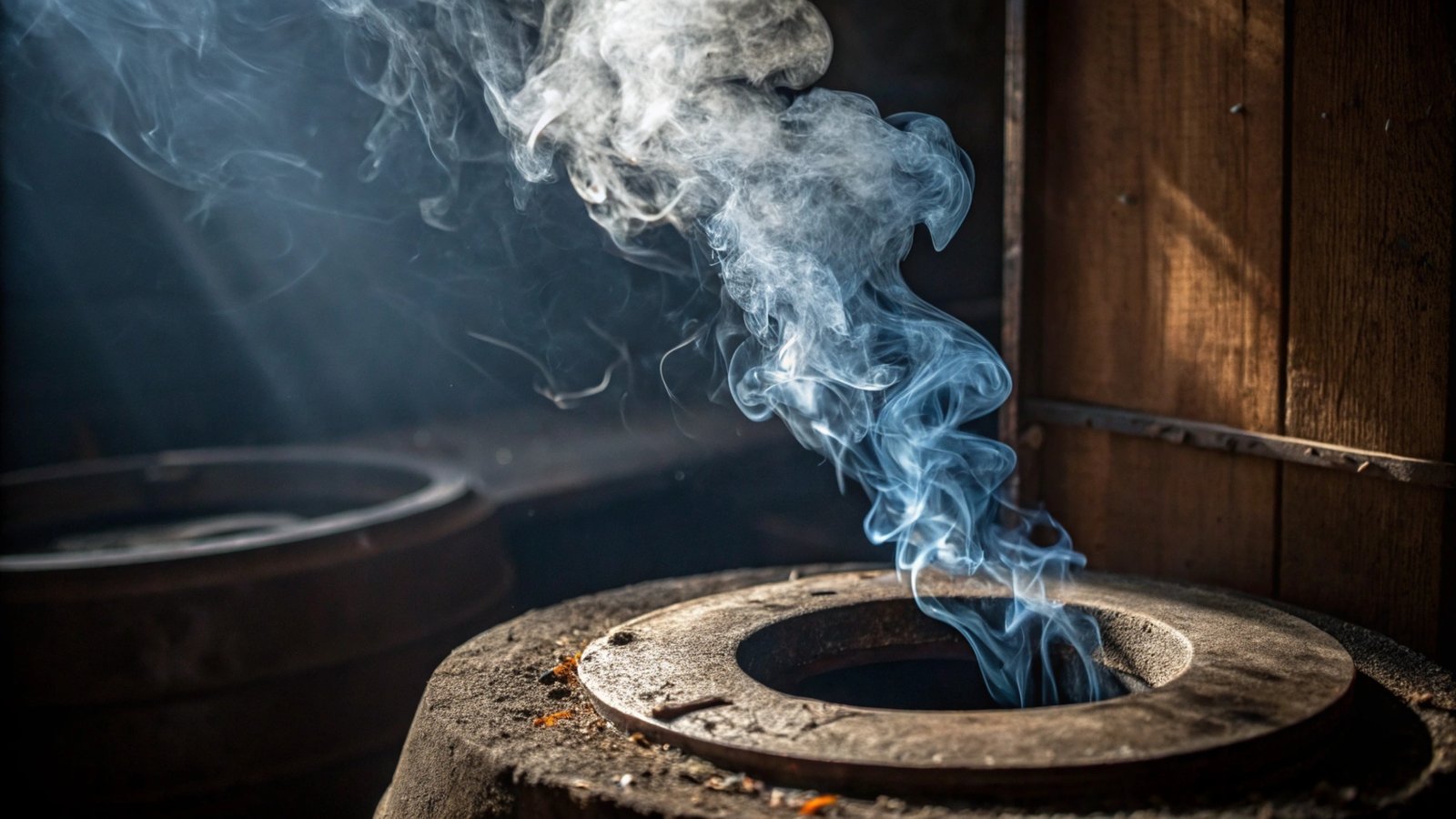
Smoke Ring Formation Method
This method details creating a smoke ring on meats by maintaining low temperatures and using woods like hickory or cherry, producing the distinct pink coloration through the interaction of smoke and myoglobin.
This method details creating a smoke ring on meats by maintaining low temperatures and using woods like hickory or cherry, producing the distinct pink coloration through the interaction of smoke and myoglobin.

This guide explains how to arrange a platter for visual appeal and ease of serving. It details the placement of ingredients like smoked salmon, beetroot, dill, radishes, cheese, and grapes. The method focuses on balancing heights, colors, and textures, using negative space to create a cohesive and inviting layout that guides the eye and encourages guests to eat.
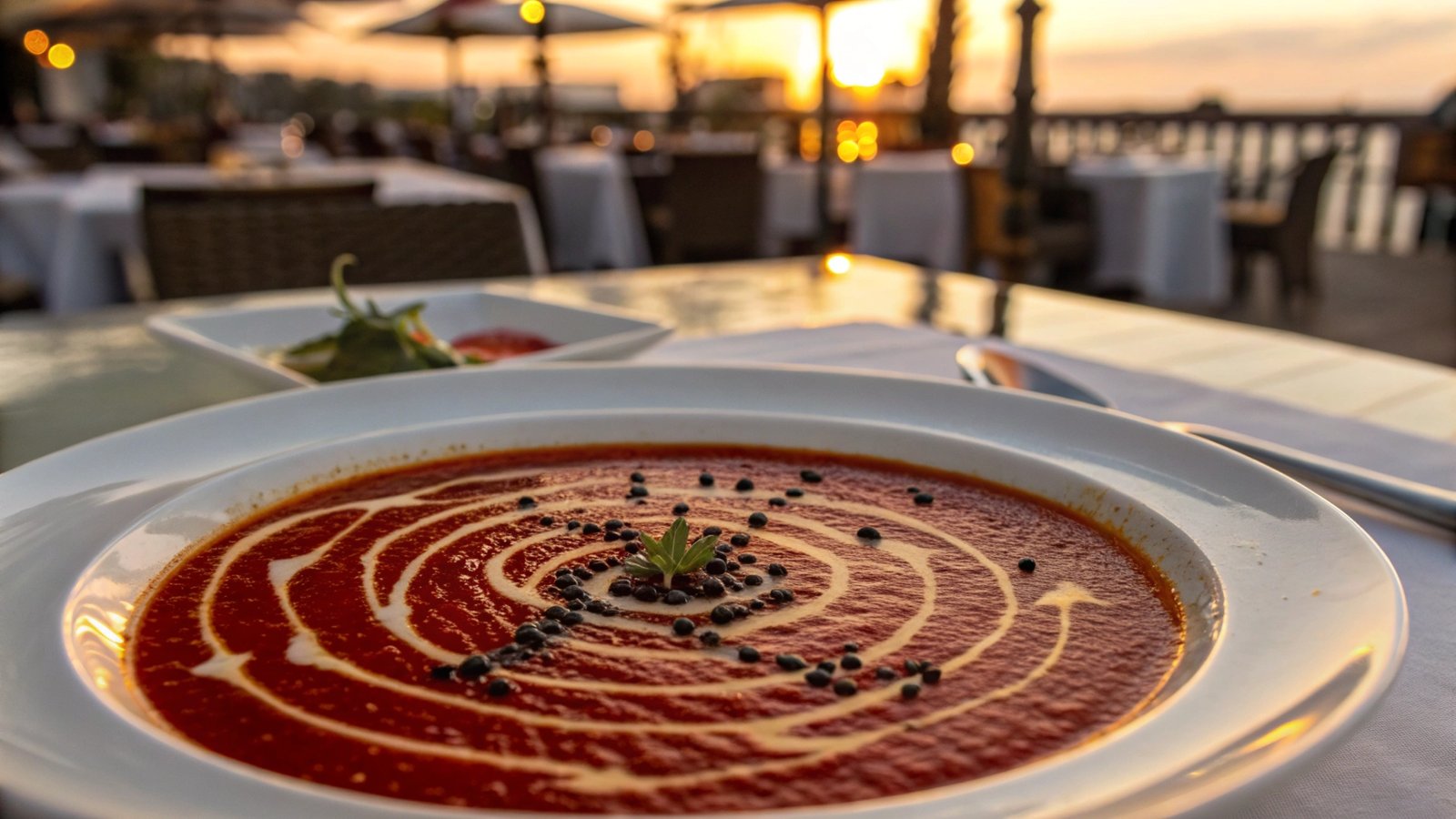
This guide details the Line & Dot Sauce Design technique, using squeeze bottles or spoons to create precise lines and dots for visual appeal and flavor.
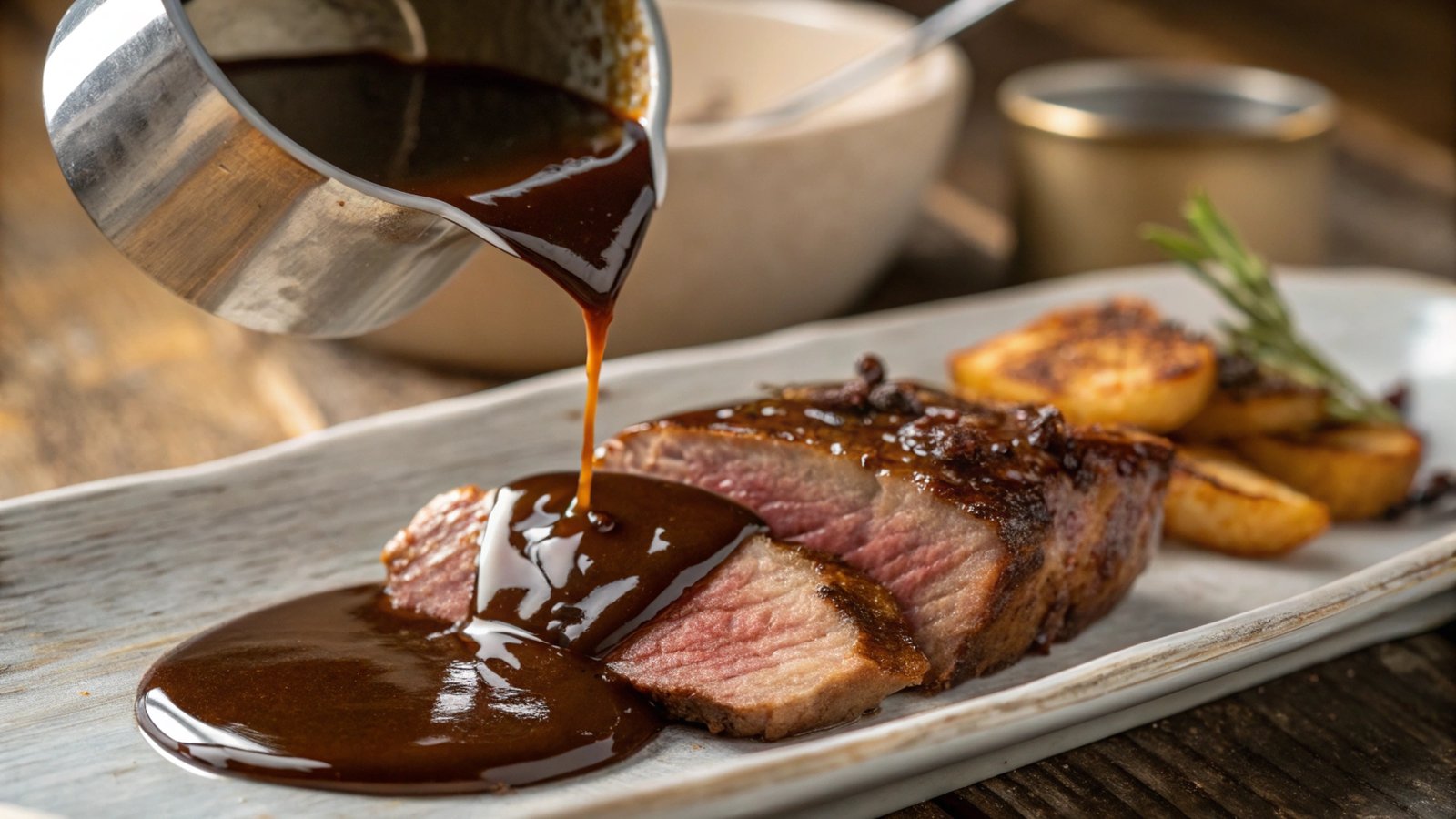
This guide details the Pour-Over Sauce Method, a technique for applying sauces with control. It explains how to manage the sauce's flow and temperature to achieve consistent coverage and desired texture, from a thin glaze to a thick reduction. The method ensures even distribution for enhanced flavor in dishes like roasted vegetables and seared fish, focusing on practical execution without artistic embellishment.
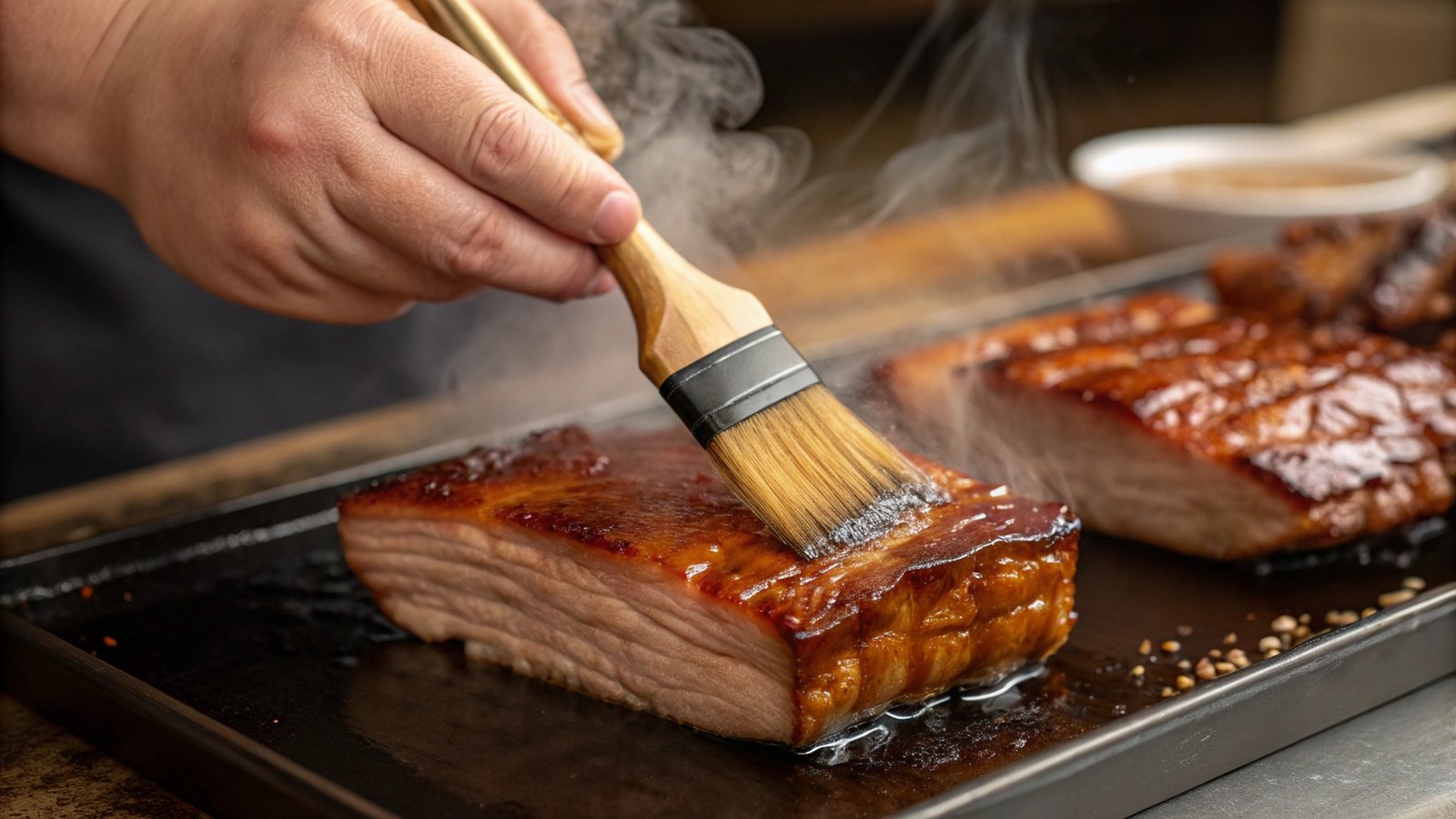
A technique for applying a sweet or savory coating to meat during the final roasting stages, using liquids like honey, balsamic, or fruit preserves that caramelize to form a glossy, flavorful crust while retaining moisture and enhancing appearance and taste.
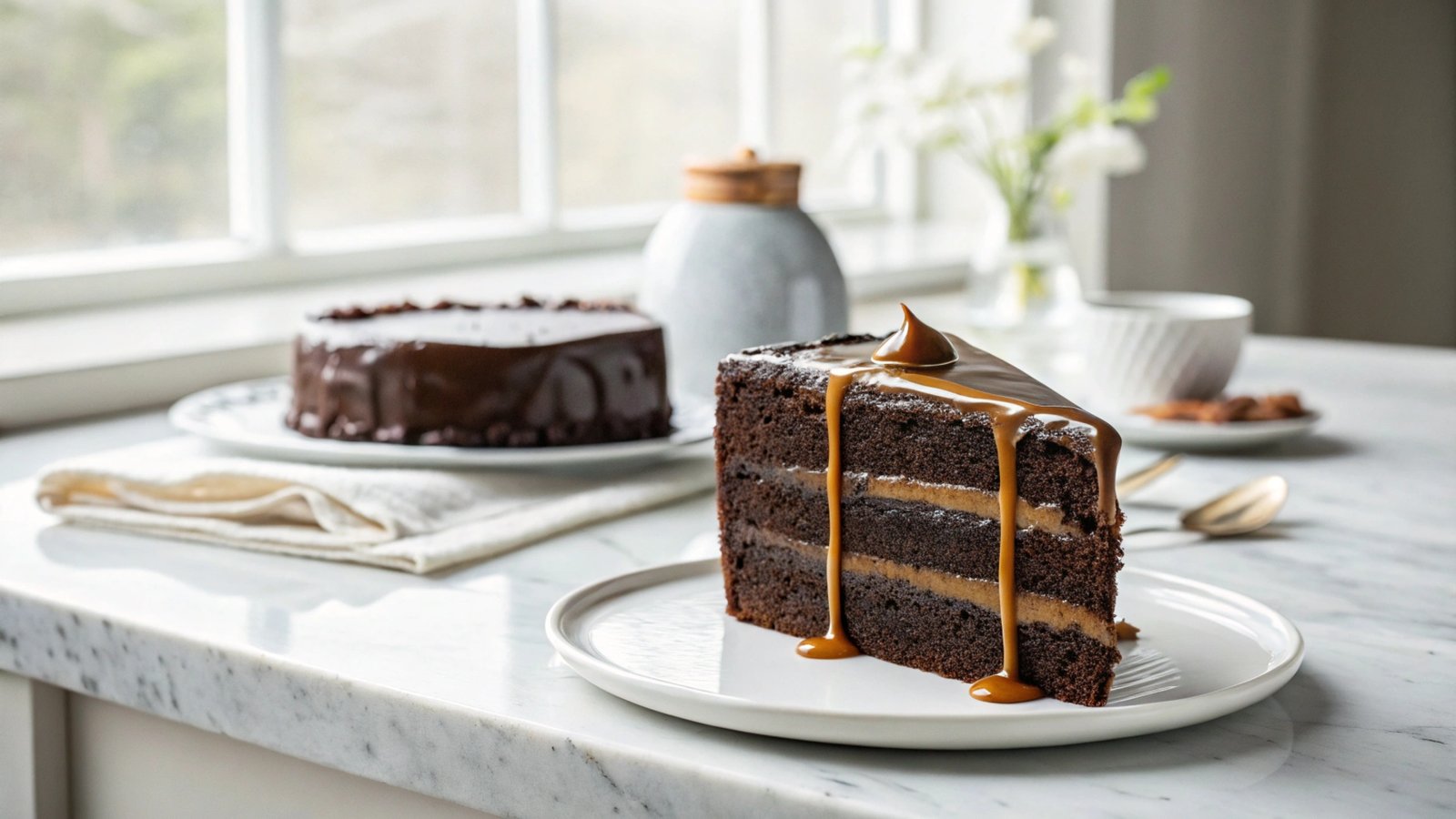
This guide details the method for applying a caramel drip to desserts like cakes, tarts, and churros, a technique inspired by Latin American traditions. It explains how to achieve the correct caramel viscosity for a clean flow and glossy finish, and how to add textural elements like sea salt or crushed nuts for a decorative, festive presentation.
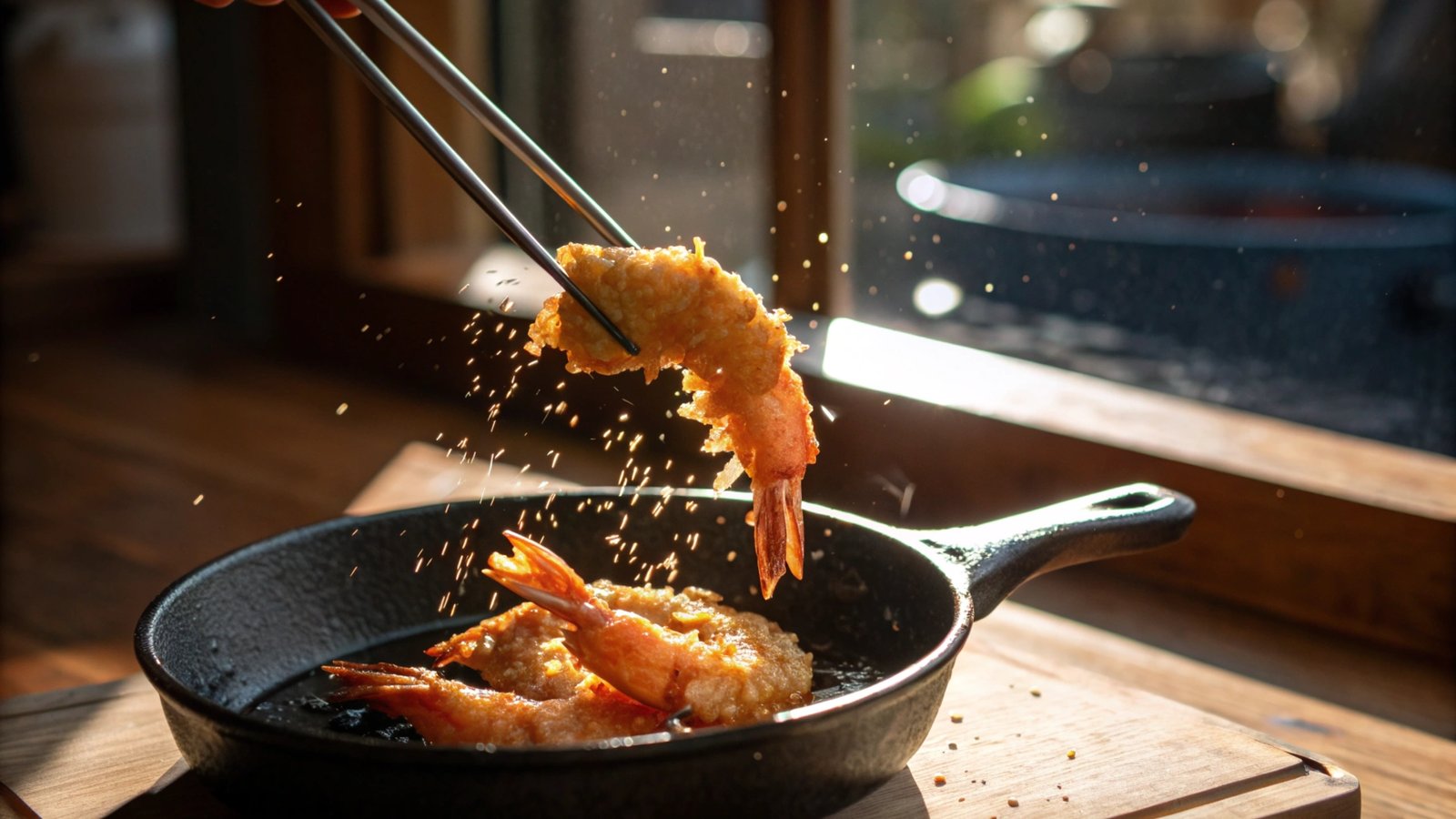
This guide explains essential frying techniques to achieve perfect texture, covering methods like shallow-frying and double-frying used worldwide. It provides practical instructions on heat management and timing for foods such as plantains and Korean fried chicken, ensuring a crisp exterior and tender interior every time.

This guide details the process for presenting rustic bread: the loaf is placed on a wooden board, lightly dusted with flour, and accompanied by a serrated knife for serving. A small dish of olive oil for dipping and a sprinkle of coarse salt are included to enhance flavor. The instructions focus on achieving an authentic, artisanal look and a complete tasting experience.

This guide details the technique of fruit and vegetable carving for table presentation, teaching how to transform produce like melons, radishes, and cucumbers into decorative shapes such as flowers, butterflies, and latticework to enhance the visual appeal of dishes for various dining occasions.
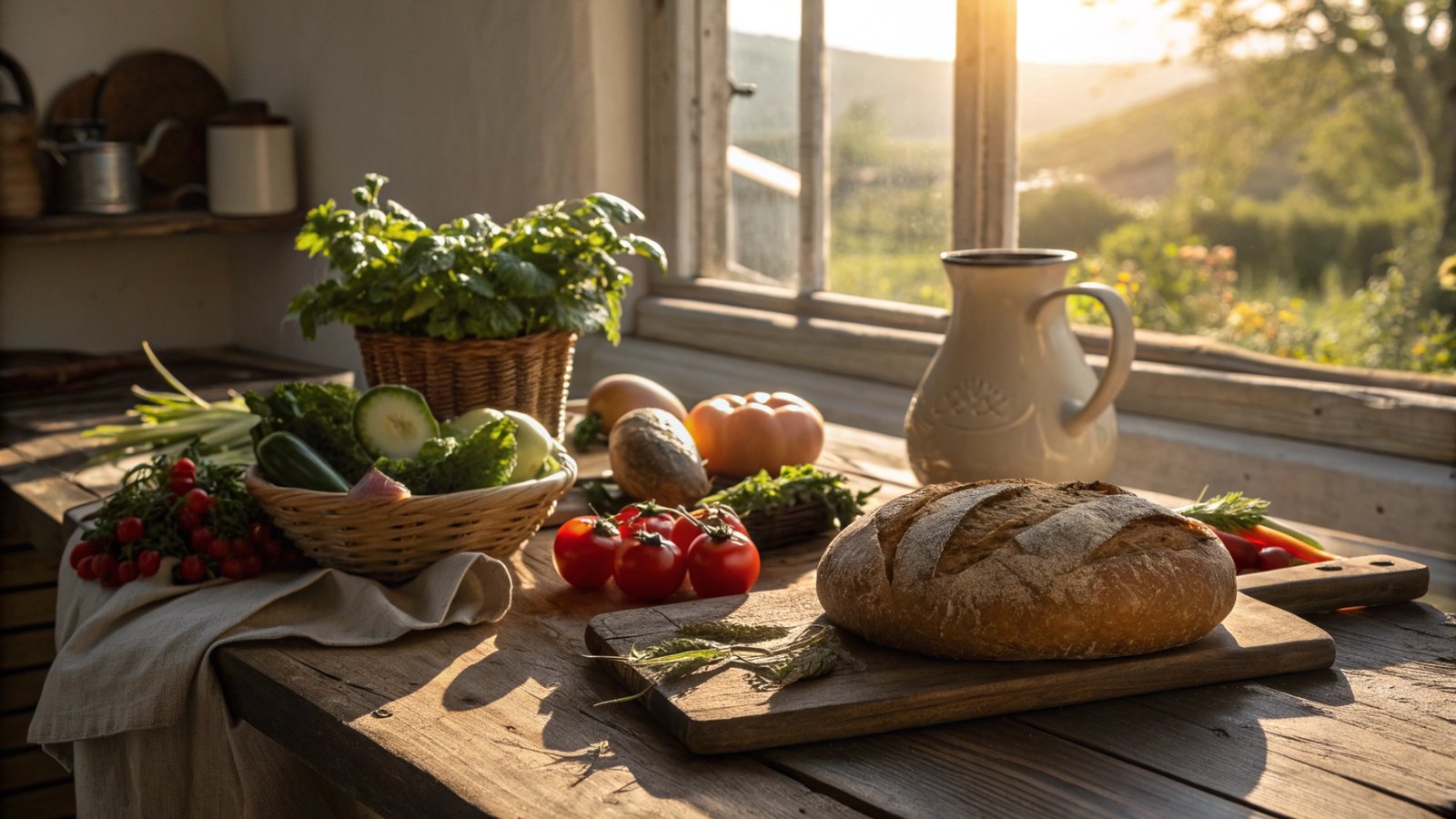
This guide shows how to create a rustic table setting using wooden boards, earthenware, wildflowers, and mismatched ceramics for a warm and inviting atmosphere.
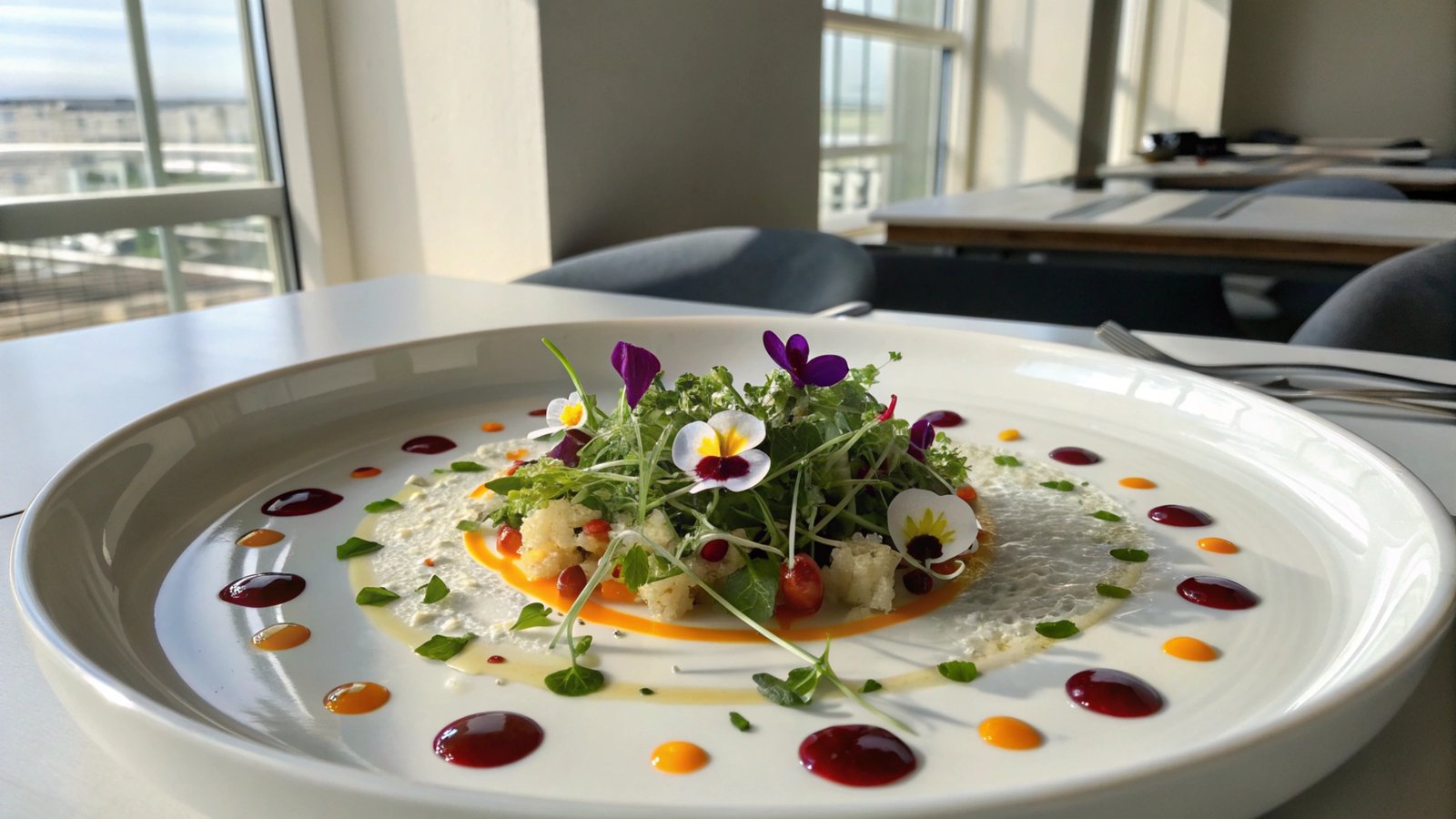
This guide details the symmetry in plating design technique, focusing on creating visual balance through mirrored elements and precise placement. It explains how to use tools like tweezers, offset spatulas, and ring molds to achieve geometric arrangements, echoed shapes, and deliberate garnishing for a sophisticated presentation.
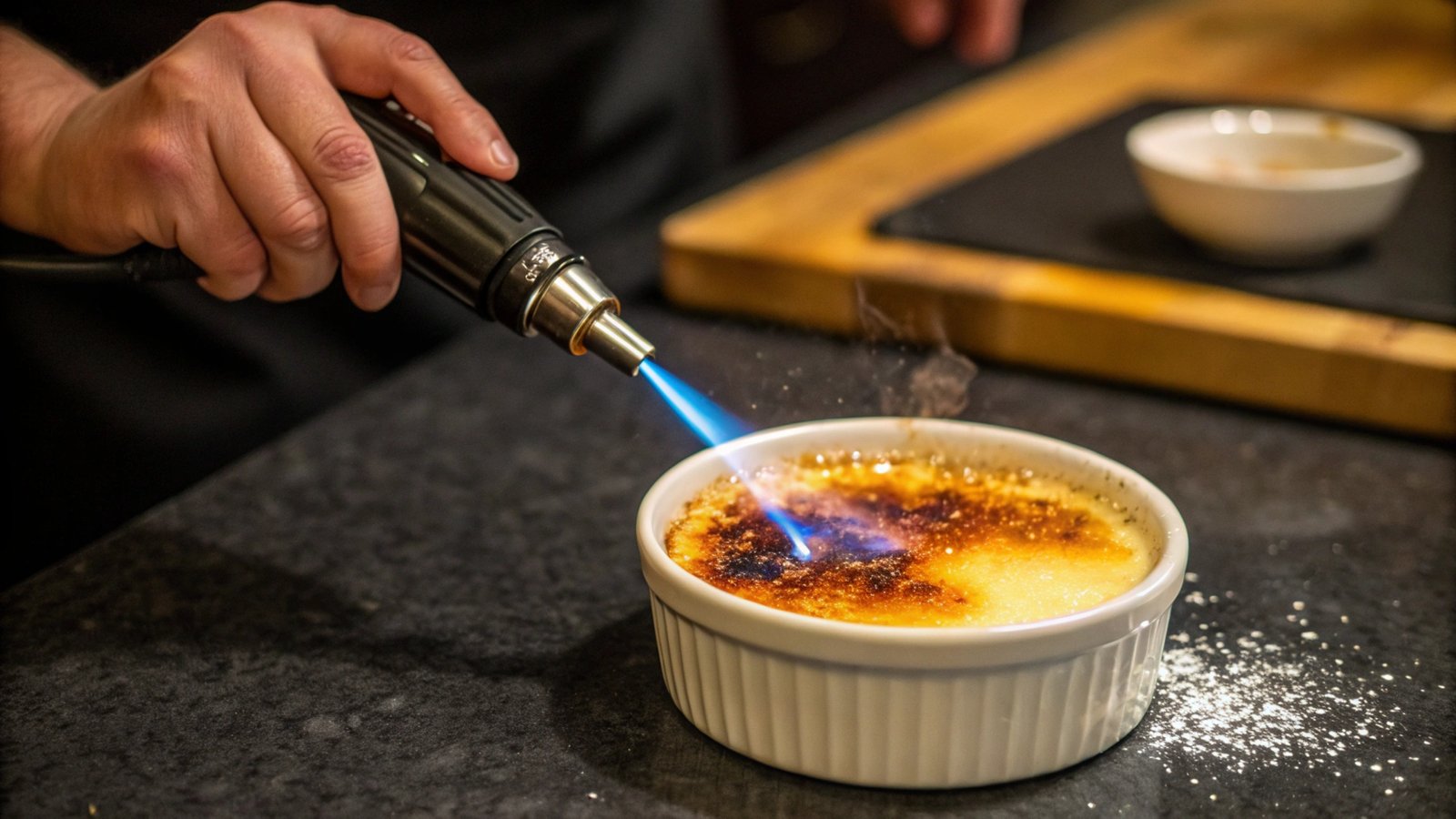
Master the culinary technique of applying direct, high heat for professional finishing touches, including creating a hard caramelized sugar crust on crème brûlée, charring citrus fruits for cocktails, browning the tops of meringues and cheese-covered dishes, and achieving a smoky caramelization on grilled vegetables. This method precisely controls intense heat to transform textures and enhance flavors.
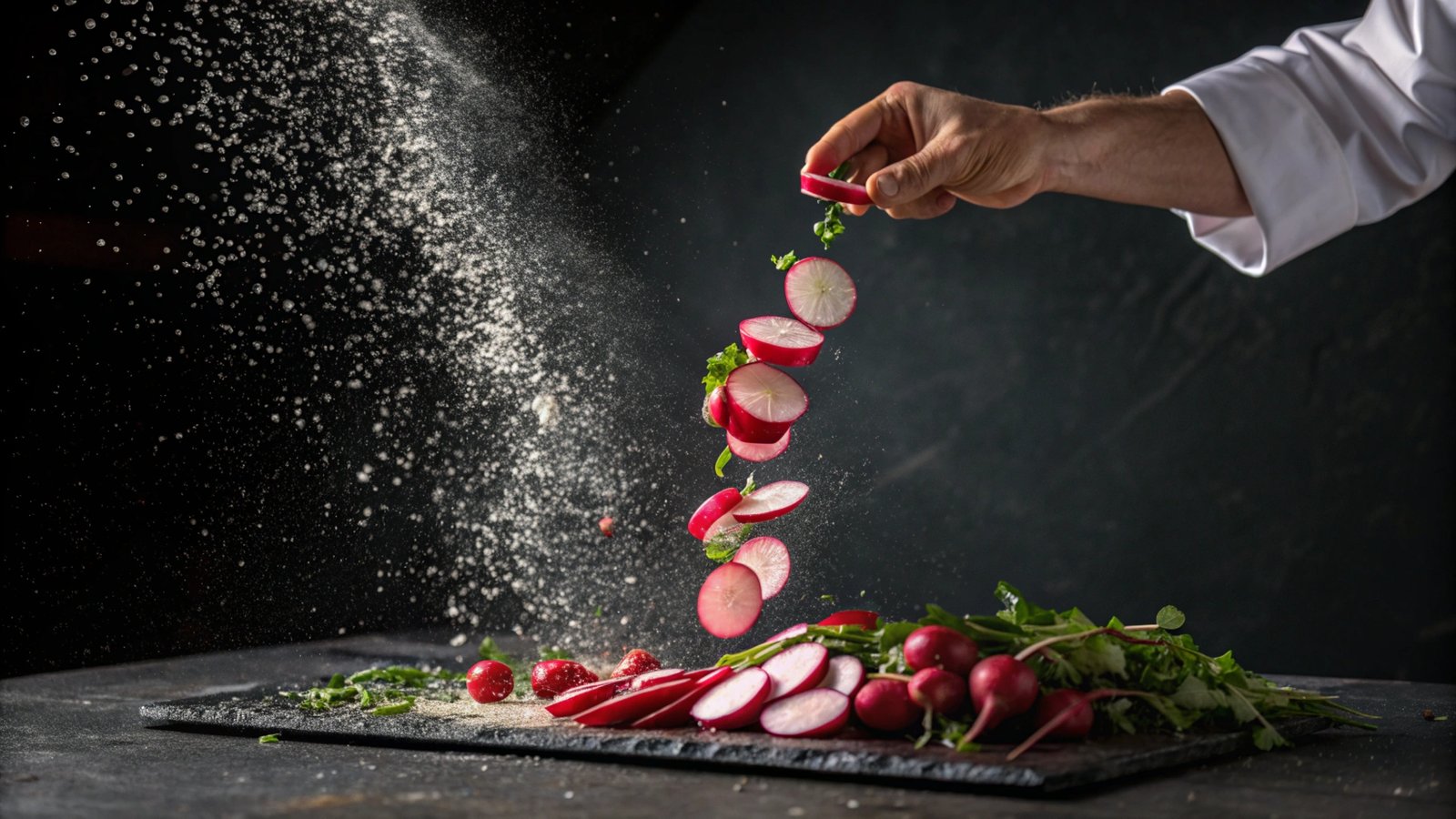
This guide explains the fanned ingredient layout, a plating technique where items like fruits, herbs, or vegetables are deliberately arranged in a radial arc. It focuses on creating visual balance through the intentional placement of each piece, considering its color, texture, and the use of space for a more elegant and artistic presentation.

This guide details the temperature control principles for grilling, explaining how precise heat management sears in juices and achieves ideal caramelization. It covers various heat sources, including gas and hardwood charcoal, for cooking meats and seafood to perfection. Techniques for using charred citrus and infused oils to enhance flavor are also included.
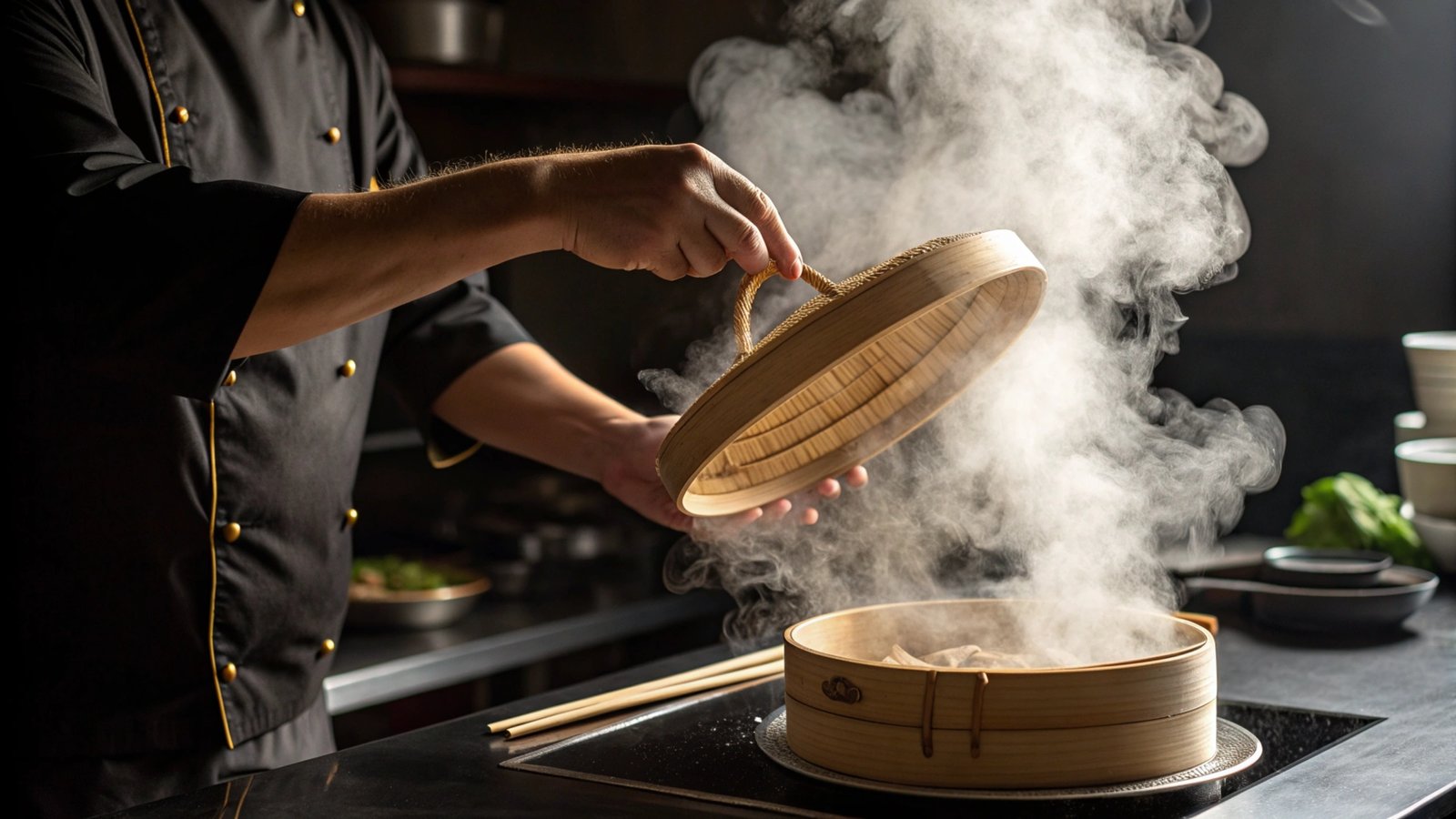
Master the essential technique of steam cooking, a healthy method used globally to prepare delicate fish, vegetables, and dumplings without oil. This guide provides clear instructions on layering ingredients, timing various proteins, and preserving nutrients for vibrant, perfectly cooked meals every time.
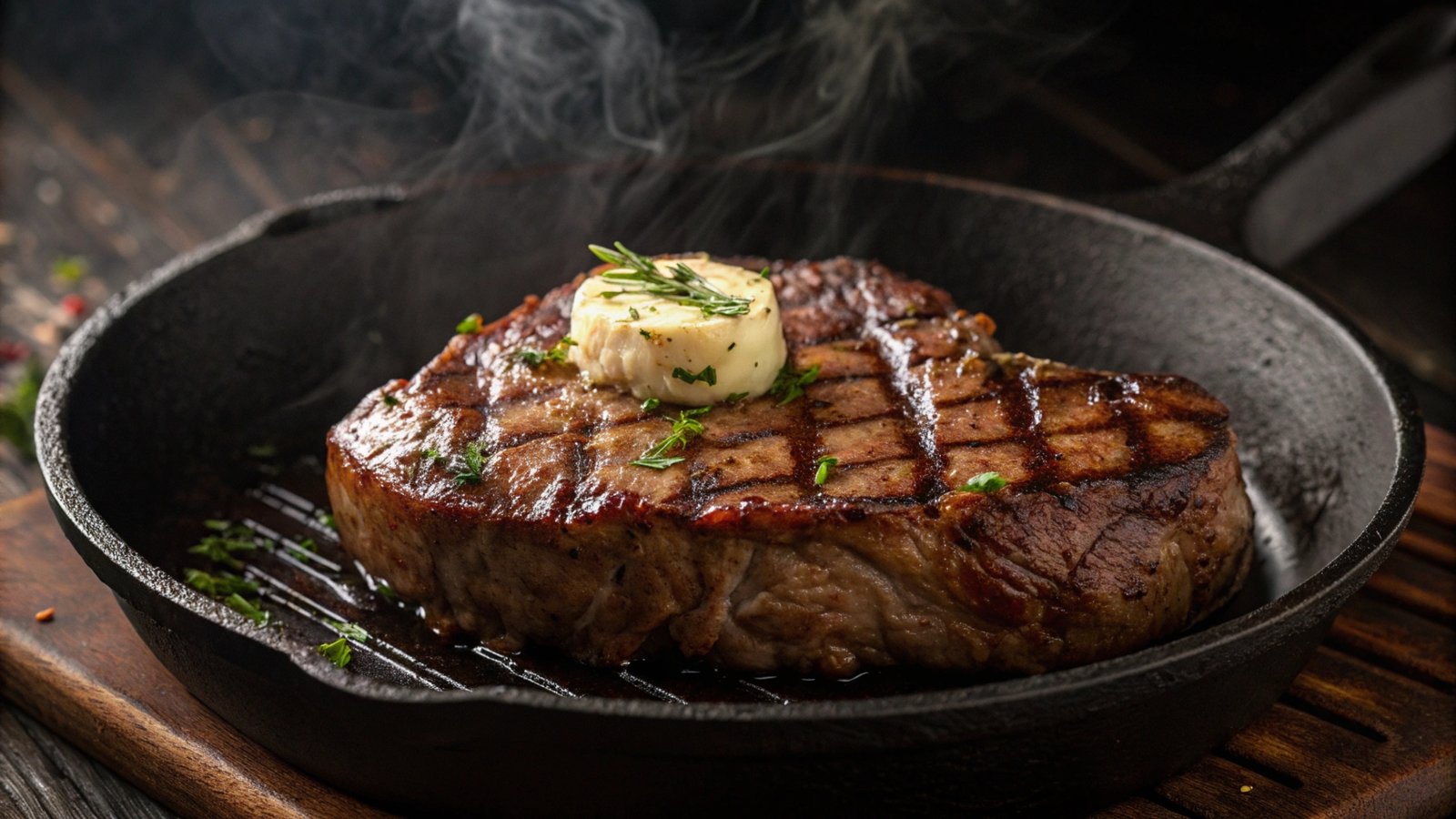
This guide details the fundamental method of broiling, which uses intense, direct overhead heat to quickly cook and caramelize food. It covers essential techniques such as proper rack positioning, monitoring doneness, and using oil to achieve a crisp exterior while retaining moisture. The approach is applied to dishes like Peruvian blistered peppers and Brazilian-inspired citrus-marinated skewers, emphasizing simple preparation and vibrant presentation.
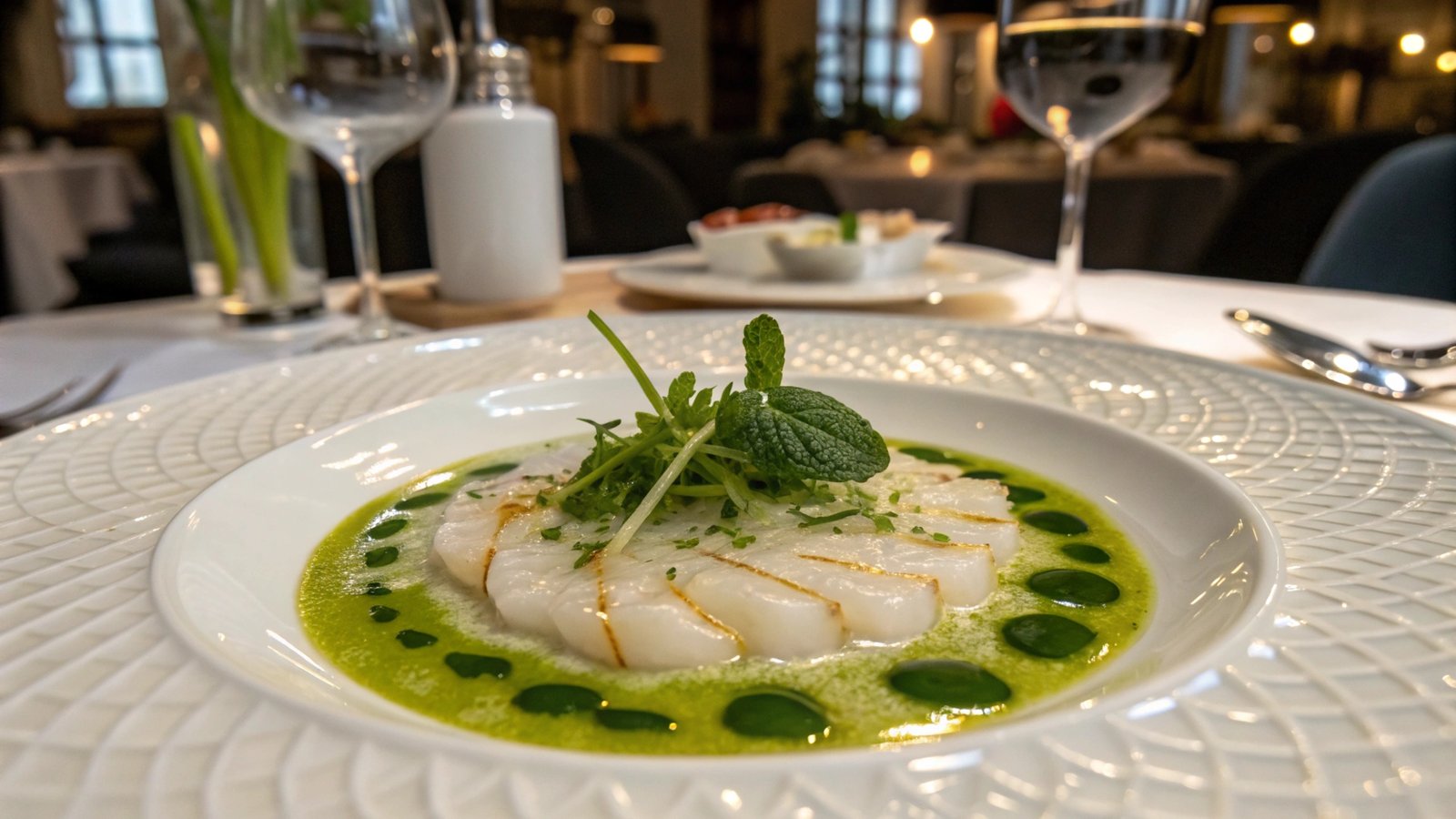
This guide explains the cascade plating technique, layering ingredients with deliberate asymmetry to create visually dynamic presentations across various cuisines.
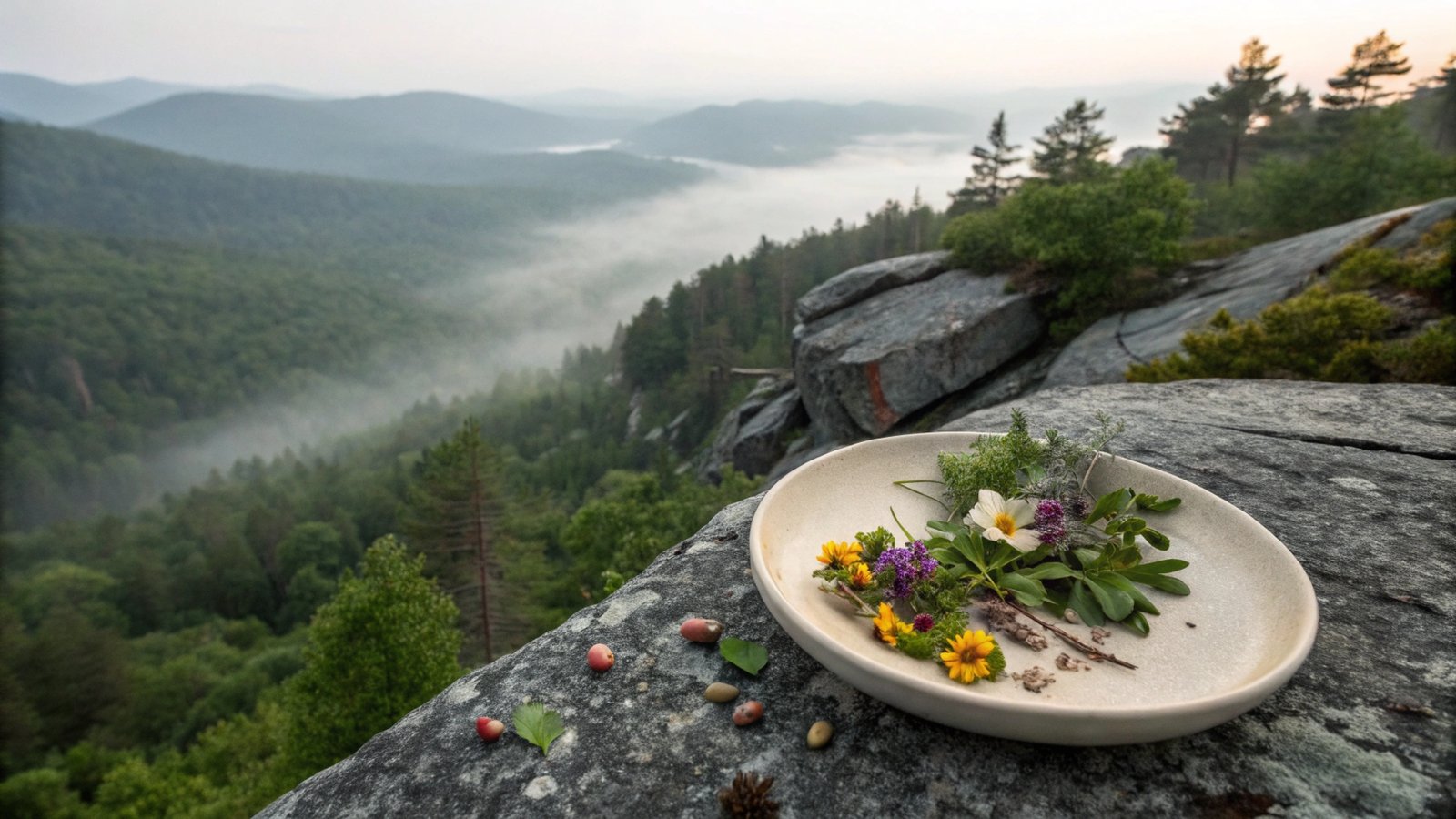
This guide details the Natural Element Plate Styling method, which uses raw textures and organic forms like edible petals and river stones. It combines Japanese wabi-sabi and Peruvian earth-to-table principles, employing rough-hewn wood platters, smooth ceramic bowls, and hand-picked herbs to create compositions that reflect natural landscapes and ancestral craftsmanship.
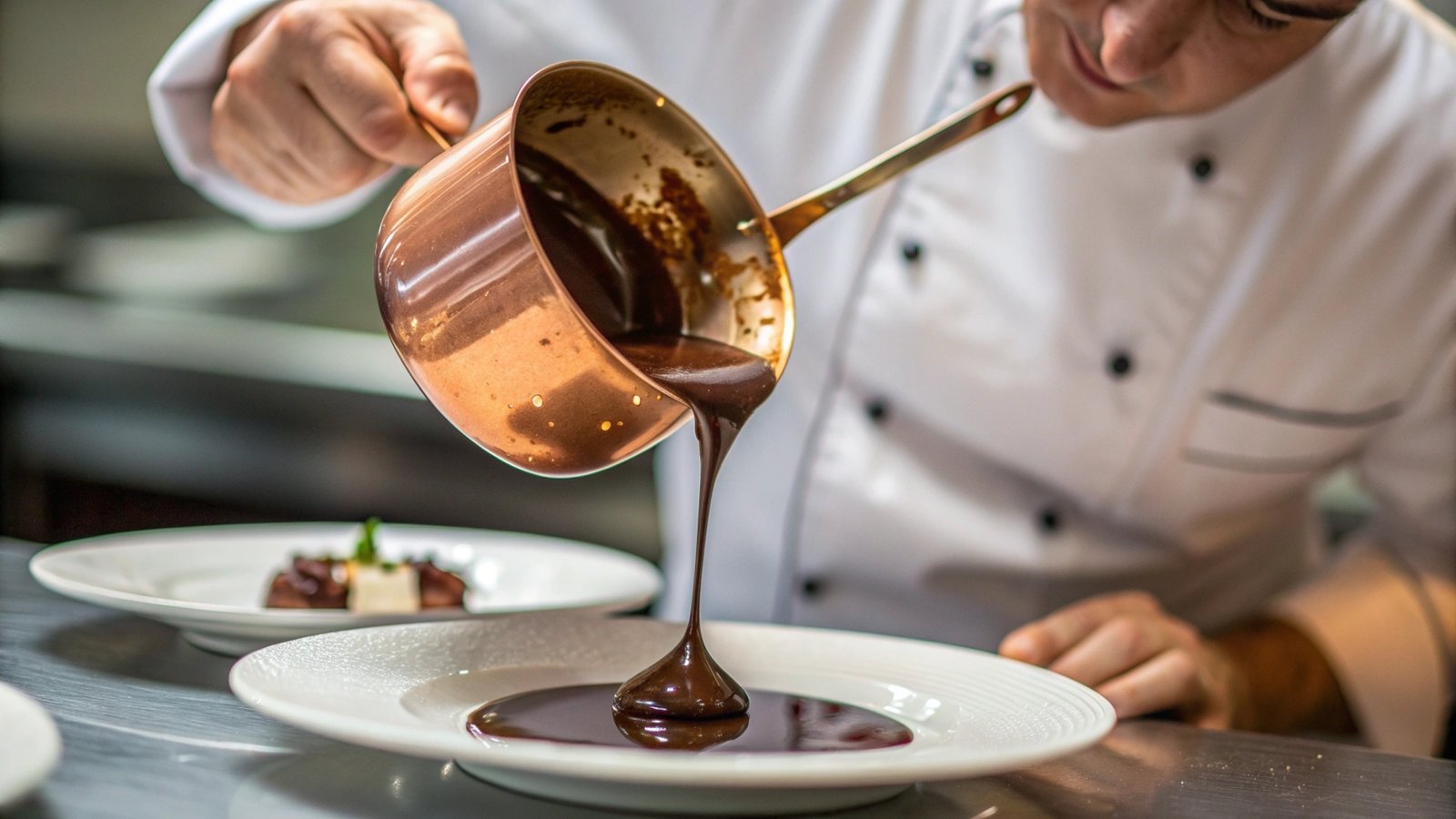
This practical guide teaches essential techniques for creating concentrated sauce reductions, controlling viscosity, deglazing, and layering flavors for rich, balanced results.
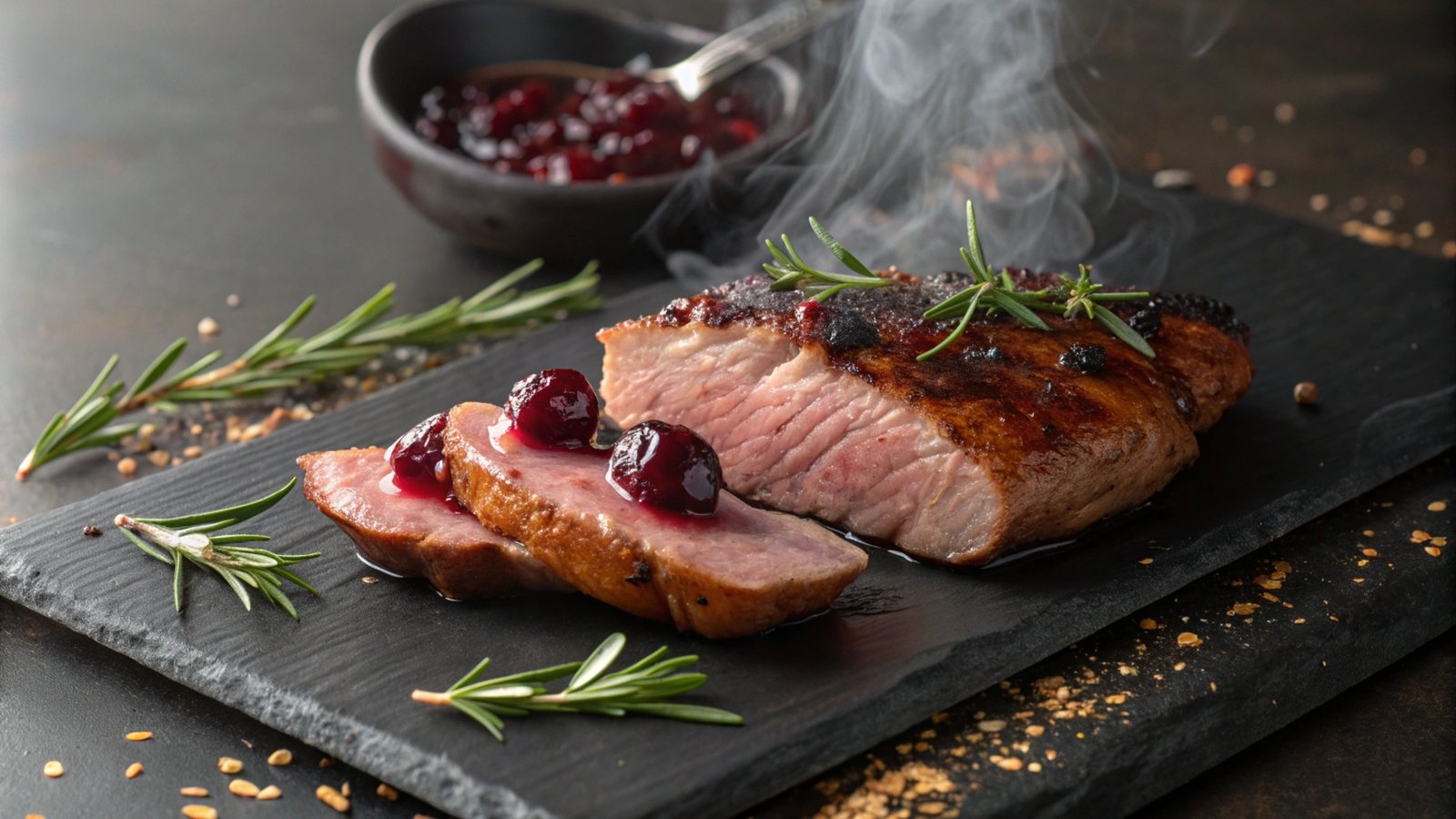
This guide explains the smoke-infused plating technique to add smoky aroma and flavor, using cloches or handheld smokers on ingredients like scallops, cheese, or chocolate ganache, detailing how different woods impart unique flavors and precise tableside presentation.